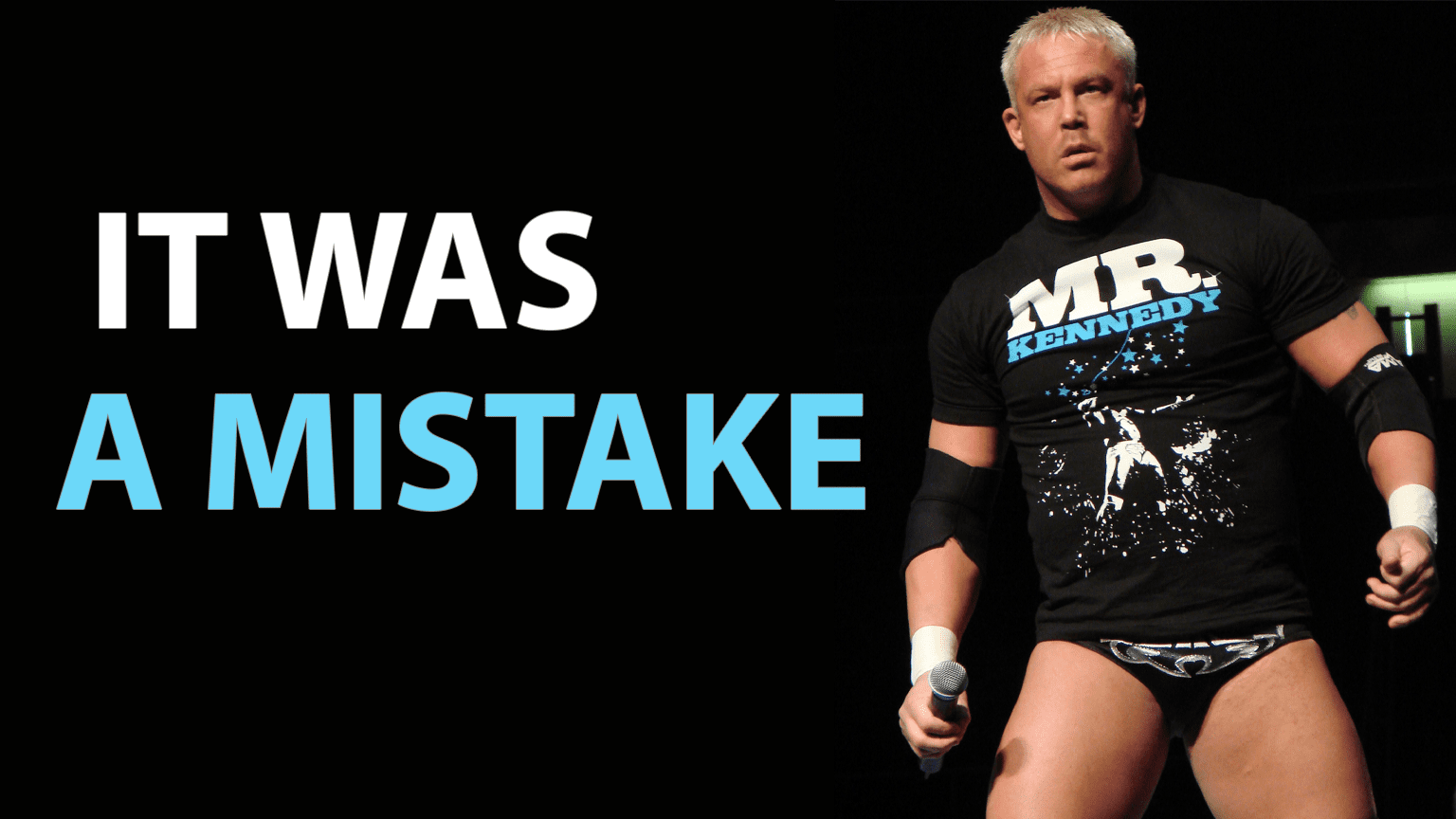
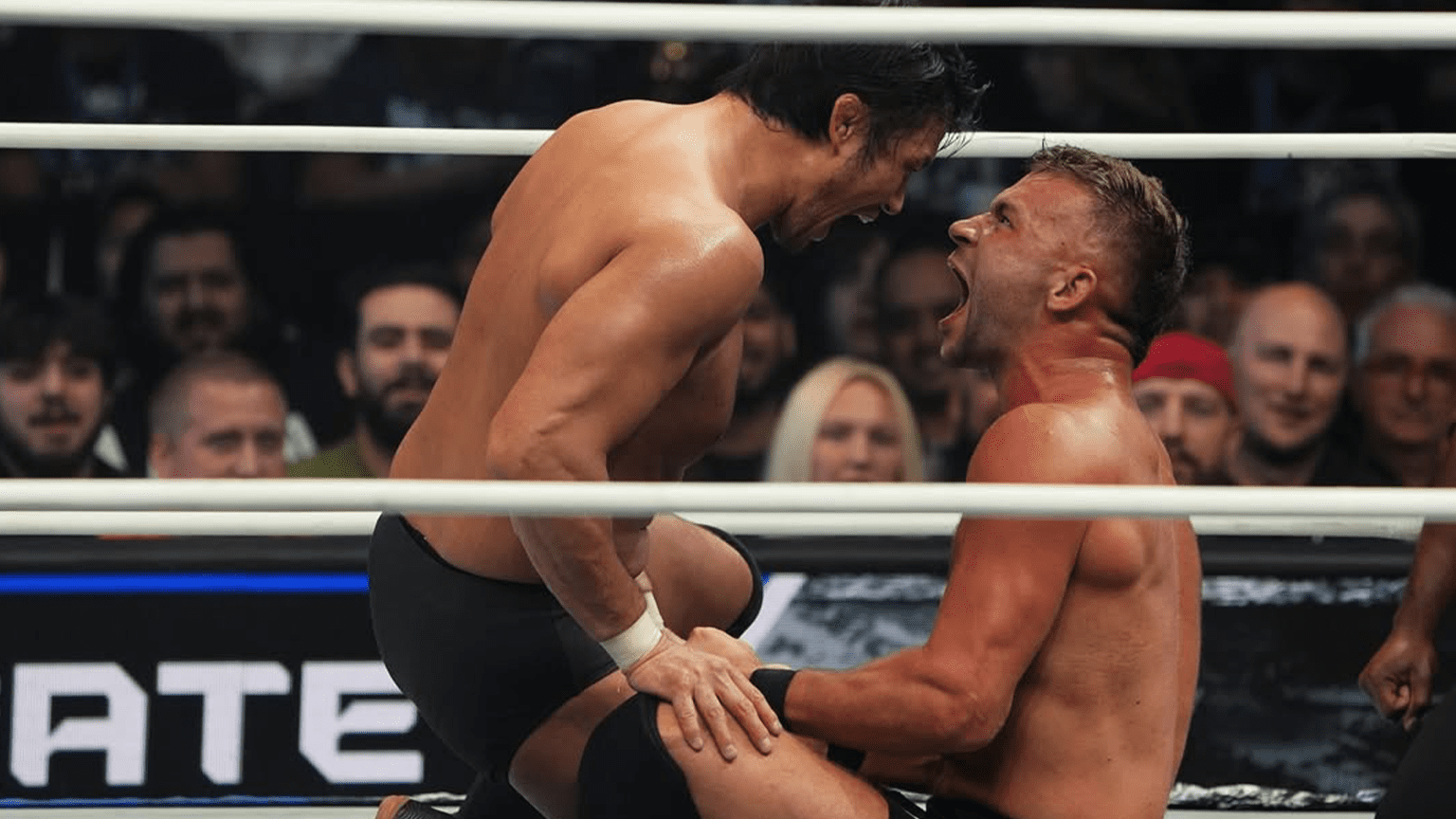
Katsuyori Shibata is one of Japan’s greatest wrestlers of the last 25 years, but did an accident at the start of his career end in the death of another wrestler?
Professional wrestling has always carried risk. Beneath the spectacle and theatrics lies a dangerous reality: men and women put their bodies on the line every night, and sometimes the consequences are fatal.
In Japan, the tradition of puroresu has produced some of the hardest‑hitting matches in history. The style is celebrated for its realism, but that realism has also led to tragedy.
While the United States remembers Owen Hart’s fall in 1999 as the darkest moment in the ring, Japan has endured multiple deaths directly tied to matches themselves.
One of those tragedies unfolded in April 2000, involving a young prospect named Masakazu Fukuda and his opponent, Katsuyori Shibata.
Read more: Explore some of the darkest parts of Japanese wrestling’s history in Lion’s Pride: The Turbulent History of New Japan Pro Wrestling by Chris Charlton, available in paperback or Kindle.
The Claim: Katsuyori Shibata killed Masakazu Fukuda during a match
The story often told is stark: during a Young Lions Cup bout, Shibata delivered a routine move that left Fukuda unconscious. Days later, Fukuda was dead.
The narrative has been simplified over time into a damning claim — that Shibata “killed” his opponent in the ring.
But was this really the case?
The Evidence: Masakazu Fukuda’s death wasn’t entirely Katsuyori Shibata’s fault
Masakazu Fukuda was just 27 years old, a towering six‑foot‑two athlete from Otawara with a reputation for technical skill and raw strength.
He began his career in Wrestling & Romance (WAR), training under Masayoshi Motegi, the innovator of the rolling German suplex.
By 1997, he had already tasted success, winning the WAR International Junior Heavyweight Tag Team Championship alongside Hiroyoshi Kotsubo.
In 1998, Fukuda made the leap to New Japan Pro Wrestling, entering the famed dojo system to sharpen his craft. The Young Lions Cup was his chance to shine. A proving ground where rookies could showcase their potential before embarking on international excursions.
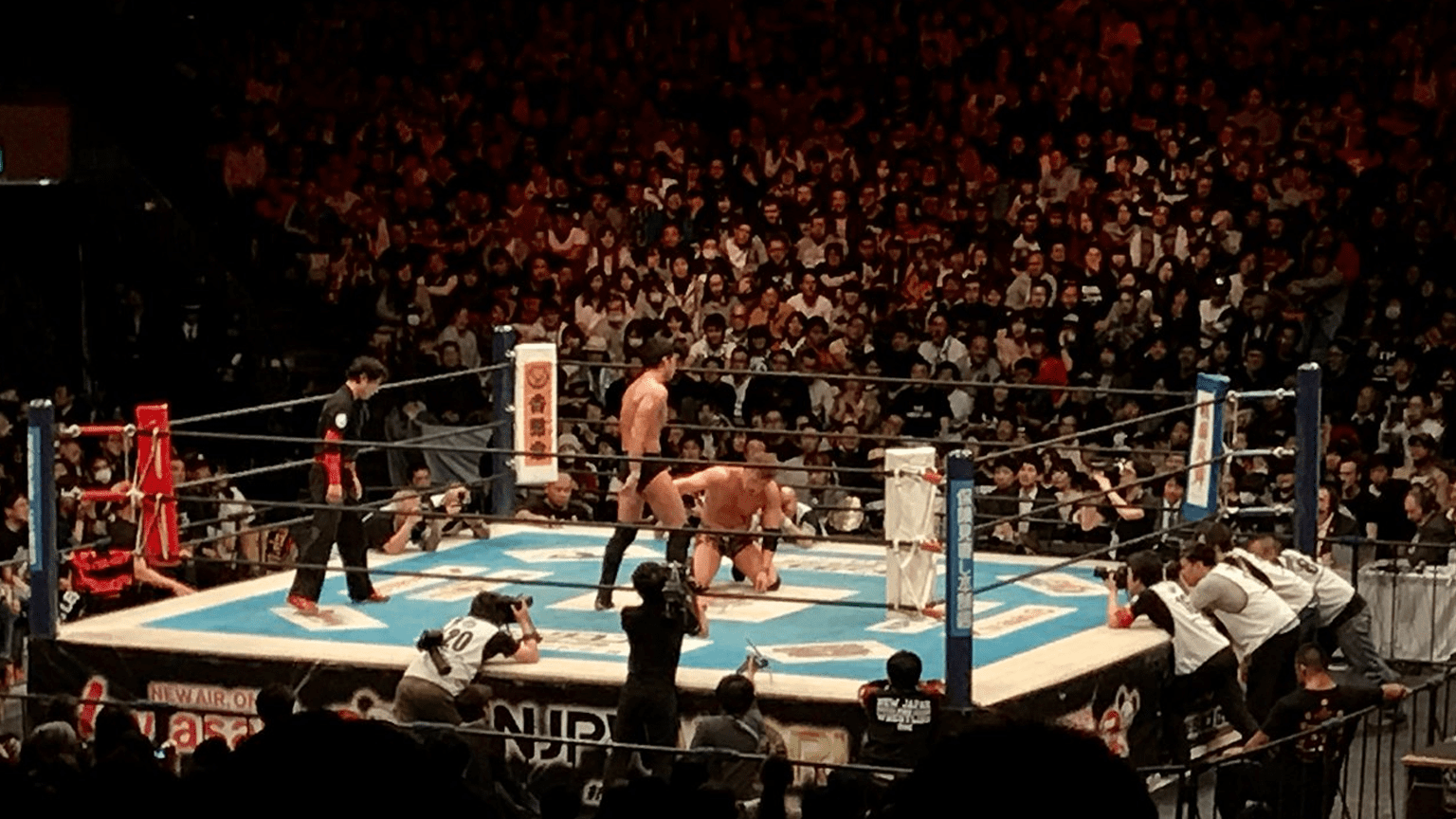
On April 14, 2000, Fukuda faced Katsuyori Shibata in Kesennuma, Miyagi on the NJPW Strong Energy 2000 tour. The match itself was unremarkable by wrestling standards: simple holds, stiff forearms, and a flying elbow drop from Shibata.
Yet when Fukuda failed to rise after the elbow, the atmosphere shifted instantly. He began snoring audibly in the ring; a chilling sign of neurological trauma. Shibata alerted the referee, who stopped the match immediately.
Doctors rushed to Fukuda’s aid, but the damage was already done. He was hospitalized and diagnosed with a brain haemorrhage. Five days later, he passed away.
However, we only have written reports to go on for this tragedy. No footage was ever realised of the match (it is unknown if it was filmed at all), and Dave Meltzer’s report in the April 24, 2000 edition of the Wrestling Observer Newsletter is the best version of events we have.
Meltzer wrote: “New Japan wrestler Masakazu Fukuda passed away of complications from a cerebral haemorrhage at 3:28 a.m. on 4/19 in the Public Kesennuma Synthesis Hospital in Kesennuma, Japan after collapsing in the ring on 4/14 at a match in the same city with Katsuyori Shibata.”
“Fukuda, 27, was rushed to the hospital when, after Shibata hit him with an elbow drop that he was supposed to kick out of. Instead he collapsed and began snoring in the ring, which caused everyone to panic.”
“Fukuda never regained consciousness, spending more than four days in a coma before passing away.”
“According to reports from the match, Fukuda never took any bumps on his head during the match and took nothing more than a few stiff elbows to the head the likes of which a normal New Japan opening match would contain.”
The Verdict: Misleading
The claim that Shibata “killed” Fukuda is misleading. While Fukuda’s death occurred after their match, the bout itself was not unusually dangerous.
Shibata did not deliver a reckless manoeuvre or botch a move. In fact, reports suggest the match was relatively safe compared to the brutal standards of puroresu.
The tragedy lies in Fukuda’s medical history. Just a year earlier, he had suffered a cerebral haemorrhage and undergone brain surgery.
He returned to wrestling only months later, despite collapsing in the ring on multiple occasions. By the time he faced Shibata, his body was already compromised.
Fukuda’s death was the result of a pre‑existing condition aggravated by the demands of wrestling, not a single act by Shibata.
This is similar to the death of Plum Mariko three years prior, who also began snoring in the ring after a head injury.
The Context: A tragedy swept under the rug
In the aftermath, New Japan dedicated the remainder of the Young Lions Cup to Fukuda’s memory.
Yet the tournament itself was quietly discontinued in the years that followed, perhaps haunted by the shadow of his death.
Today, Fukuda’s name is rarely mentioned. His passing has been largely erased from the company’s narrative, overshadowed by other stories and eras.
His opponent continued his career over the next 17 years, until Katsuyori Shibata suffered his own brain injury. He almost died after a brutal headbutt to Kazuchika Okada and lost years of his wrestling career.
The irony is painful. Shibata survived his trauma and eventually returned to the ring, but Fukuda never had that chance.
His story is a reminder of the fine line between spectacle and danger in wrestling, and of the risks young wrestlers take when they step into the ring.
For a deep dive into the history and legacy of Japanese professional wrestling, check out Lion’s Pride: The Turbulent History of New Japan Pro Wrestling by Chris Charlton, available in paperback and Kindle. It’s the ultimate guide for fans who want to understand the legends, the rivalries, and the matches that defined NJPW.