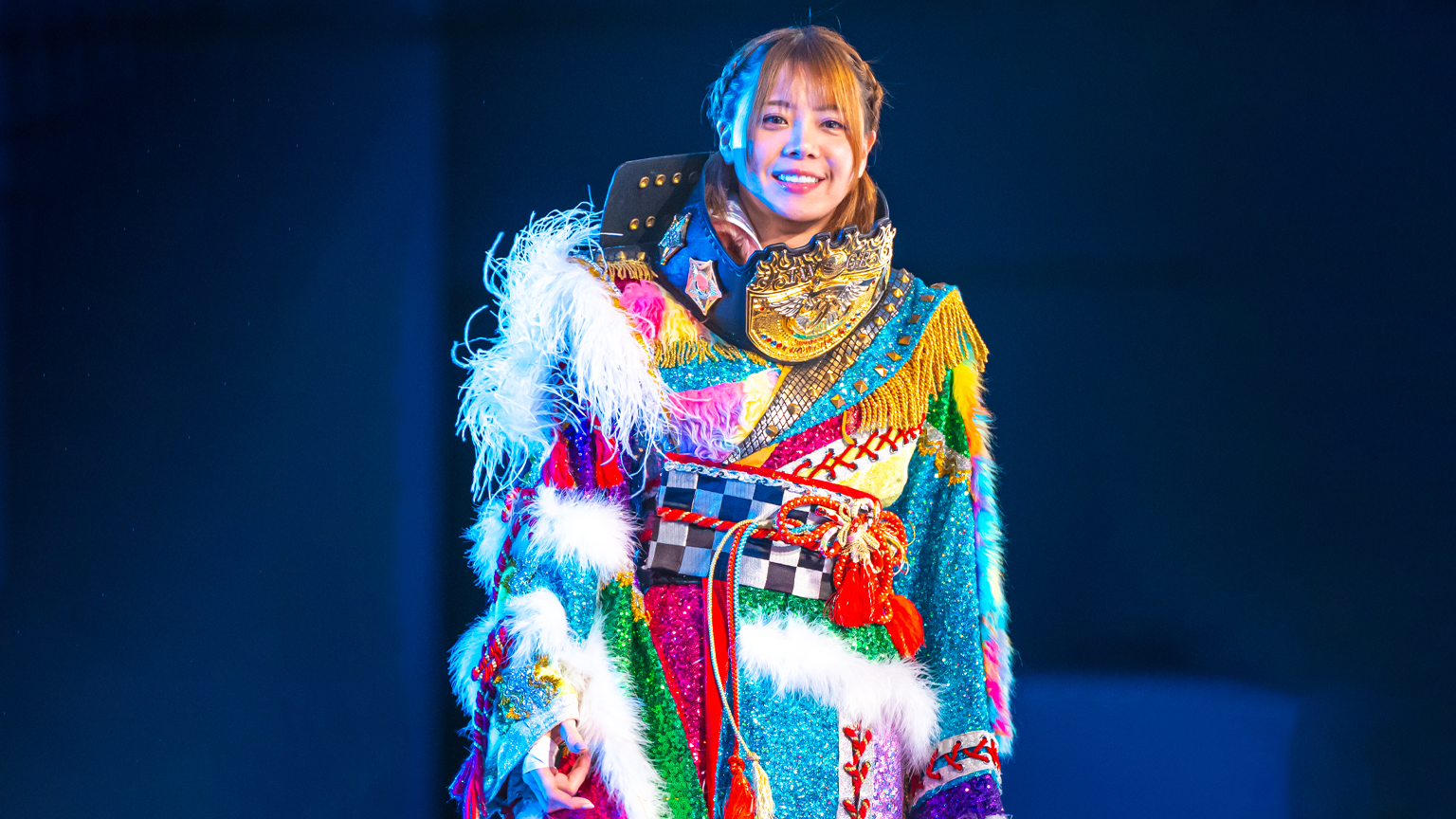
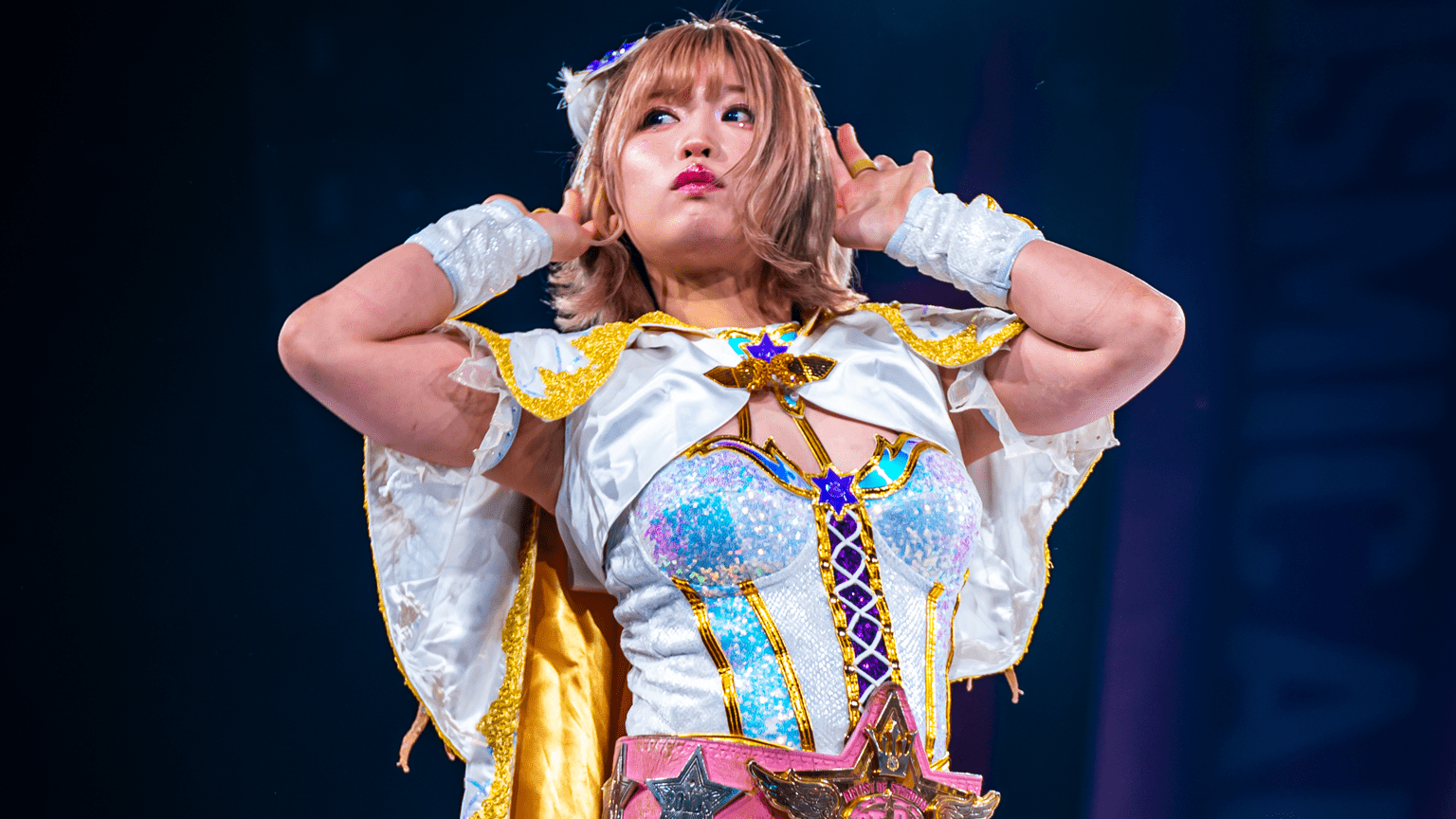
Tam Nakano’s retirement from professional wrestling in April 2025 was one of the most talked-about endings in joshi puroresu in recent years.
The longtime STARDOM star — known for her emotional storytelling, strong character work, and multiple championship runs — saw her career come to a definitive conclusion.
It finished after a Career vs. Career match at Stardom All Star Grand Queendom 2025 on April 27, where she lost to Saya Kamitani and was forced to retire on the spot.
The event was devastating for Stardom, as Mayu Iwatani left Stardom to join Marigold just one day after her final match for the promotion that night.
Nakano’s journey in professional wrestling began in 2016, and she signed officially with World Wonder Ring STARDOM in 2017.
Over the years she became a cornerstone of the promotion, leading the Cosmic Angels faction and capturing numerous titles, including multiple World of Stardom and Wonder of Stardom Championships.
But her final chapter was written not with a typical farewell tour, but with a match that ended her career, leaving many to ask: why did she choose this path?
Read More: Fans can learn more about Japanese women’s wrestling with Wonderland – The History of Joshi Pro‑Wrestling Ice Ribbon: 2016‑2021. It covers matches, promotions, and wrestlers that shaped modern joshi puroresu.
Why Tam Nakano Retired — Her Own Words on STARDOM and Completion
What sets Tam Nakano’s retirement apart is how intentional it was. Nakano made it clear in interviews surrounding her final matches that her wrestling identity was inseparably tied to STARDOM.
In a widely reported conversation with Tokyo Sports, Nakano reflected on her situation after losing a Loser Leaves STARDOM match and preparing for her career-ending bout:
“Of course, I was thinking that if I lost today, I would disappear from Stardom.”
But she didn’t stop there — she firmly stated that no matter what opportunities might arise outside of Japan’s top women’s promotion, she didn’t want them. As she said:
“Honestly, I don’t have even 1% intention of wrestling anywhere other than STARDOM.”
She even dismissed the allure of a major overseas deal, telling Tokyo Sports:
“Even if WWE asked me to sign a contract for 2.5 billion yen, I wouldn’t go. That’s how much I’ve dedicated my everything to pro wrestling in Stardom, so the only thing left is to retire.”
For context, 2.5 billion Yen is around $16 million. These quotes make it clear that Nakano’s retirement wasn’t about running out of options — it was about finishing on her own terms, and only within the context that mattered most to her: STARDOM.
Her story in Stardom has come to an end, having won nearly every title in the promotion, started her own incredibly popular faction and had an unbeatable 8-year career with the Japanese women’s wrestling company.
However, there are other factors that could have have helped Tam Nakano make the choice to retire from wrestling completely.
Injuries and the Physical Toll on Her Career
While Nakano’s philosophical commitment to STARDOM was the core reason she retired, the physical demands of her style and history of injuries also played into her mindset.
As far back as late 2023, Nakano openly dealt with a serious knee injury that forced her to relinquish a championship and briefly contemplate retirement before returning to action.
Although she did return and wrestle at a high level, that period highlighted how much strain her body had endured — a reality most top‑level joshi wrestlers face eventually.
Importantly, none of Nakano’s own statements tie the final retirement directly to injury — the quotes above show she made a conscious choice rather than a medically forced one.
Japanese Wrestling Culture and Early Retirement Norms
Nakano’s decision also reflects cultural norms within Japanese wrestling, especially for women. In joshi puroresu, early retirements are relatively common compared to many Western promotions.
Female wrestlers often reach career crossroads earlier due to the intense physical style, but also because many choose to pursue life goals outside of the ring — such as starting a family or focusing on work outside full-time wrestling.
That doesn’t diminish their contributions, but it does influence how careers are navigated. There are also business considerations: as performers age, merchandise sales can soften and promotions naturally shift attention to rising stars.
Nakano was 37 years old when she hung up her boots, which is much later than Japanese society would expect a woman to begin a family. If that is indeed her goal, time was running out for Nakano to finally settle down, something that a full-time career with Stardom certainly got in the way of.
While Nakano remained influential up to her final match, the landscape of joshi wrestling tends to move quickly, making a clear farewell attractive from a storytelling and legacy perspective.
Within this context, Nakano’s retirement fits both her personal stance and the broader patterns of Japanese women’s wrestling.
Will Tam Nakano Ever Return? The Answer Appears Clear
Given everything she has said, it’s unlikely Tam Nakano will return to full-time competition.
Nakano has made it clear that continuing her career outside of STARDOM was not something she wanted, even hypothetically, and that her path was deeply rooted in what she built within that promotion.
Her statements about turning down major offers underscore that retirement was not a temporary pause or storyline tease — it was a deliberate, final decision. In an industry where comebacks are common, Nakano chose closure, not continuity.
In the end, Tam Nakano didn’t walk away because she ran out of options — she walked away because she had completed the journey she wanted in the place that meant the most to her. Through her own words, it’s clear her retirement was about fulfilment, not defeat.
Explore the history of joshi wrestling with books like Wonderland – The History of Joshi Pro-Wrestling Ice Ribbon, offering event details and wrestler stories that give context to careers like Tam Nakano’s.